

Table of Contents
- The Benefits of HRT Before, During and Post Menopause
- What is Perimenopause?
- What Is the Difference Between Perimenopause and Menopause?
- When Do Hormone Levels Start to Decline in Women?
- What Are the Symptoms of Perimenopause?
- When Should Women Start Hormone Therapy?
- The Benefits of Hormone Therapy for Perimenopause
- The Benefits of HRT During Menopause
- The Benefits of HRT Post Menopause
- HRT and Sexual Wellness in Women
- The Benefits of HRT for Bone Health in Women
- The Benefits of HRT for Energy and Stamina
- Benefits of HRT Before, During & After Menopause
- Other Tips for Optimal Health Before, During and After Menopause
- We Take a Different Approach to Menopause Treatments and HRT for Women
- Frequently Asked Questions About Hormone Therapy and Menopause
The Benefits of HRT Before, During and Post Menopause
The benefits of hormone therapy for helping women handle symptoms before, during, and after menopause have been well documented.
Menopause is not a single moment in time, but a gradual hormonal evolution that unfolds across three phases: perimenopause, menopause, and post-menopause. Each phase impacts a woman’s physical, mental, sexual, and metabolic health in different ways. For some women, these changes are subtle; for many others, they are disruptive enough to interfere with quality of life affecting energy, weight, sleep, mood, cognition, and day-to-day well-being.
Hormone Replacement Therapy (HRT) has become one of the most effective and scientifically supported options for restoring hormonal balance throughout this transition. While HRT was once viewed only as a treatment for hot flashes or night sweats, modern research shows that it plays an essential role in long-term disease prevention, mood and cognition support, bone density maintenance, cardiovascular health, sexual wellness, and metabolic stability.
At Medzone, we approach menopause not as something women must simply “tolerate,” but as a powerful opportunity to protect long-term health, rebuild confidence and energy, and support the aging process with strength and vitality. Understanding how hormones change and how and when HRT offers the greatest benefit is the first step to handling every stage of menopause.
What is Perimenopause?
Perimenopause is the transitional phase leading up to menopause when hormone production from the ovaries begins to fluctuate and decline. Estrogen and progesterone, the two primary hormones of the female reproductive system, no longer follow predictable patterns. Menstrual cycles may become shorter, longer, heavier, or lighter. Ovulation becomes irregular, and the hormonal roller-coaster can affect nearly every body system, from brain chemistry and sexual function to bone metabolism and energy regulation.
This phase may last anywhere from two to ten years. Although many women associate menopause with age 50, the earliest hormonal changes of perimenopause often begin far sooner even in the mid-30s or early 40s.
What Is the Difference Between Perimenopause and Menopause?
The defining milestone of menopause is one full year without a menstrual period. At that point, the aging ovaries have stopped releasing eggs and estrogen has reached its lowest sustained levels.
Perimenopause, in contrast, is the years leading up to menopause, when hormone levels rise and fall unpredictably. Think of it this way – menopause is a moment of arrival, whereas perimenopause is the journey getting there.
After menopause, a woman enters post-menopause, where she remains for the rest of her life. Despite the end of symptoms like hot flashes for many women, the extremely low estrogen environment of post-menopause increases the risks of osteoporosis, cardiovascular disease, cognitive decline, weight gain, and sexual dysfunction unless hormone balance is addressed.
When Do Hormone Levels Start to Decline in Women?
Every woman’s timeline is unique, but measurable hormonal decreases typically begin as early as:
- Age 35–40: Progesterone begins to fall first, causing cycle changes, mood symptoms, and sleep issues.
- Age 40–50: Estrogen becomes erratic, triggering classic perimenopause symptoms.
- Around age 51 (average): Menopause occurs when estrogen drops to a sustained low point.
By the time a woman reaches full menopause, her estrogen levels often fall to 10% of what they were during her reproductive years, a shift that dramatically alters metabolism, bone density, cardiovascular physiology, and cognitive health.
What Are the Symptoms of Perimenopause?
Because hormone changes during perimenopause fluctuate unpredictably, symptoms can come and go, causing confusion and unnecessary self-doubt for many women. Common signs include:
- Hot flashes and night sweats
- Irregular periods
- Weight gain around the abdomen
- Brain fog and memory lapses
- Difficulty sleeping
- Anxiety, irritability, or low mood
- Vaginal dryness or discomfort
- Painful intercourse
- Decreased sexual desire
- Fatigue and reduced stamina
- Headaches or worsening PMS symptoms
- Joint stiffness or new aches
Many women chalk these issues up to stress or aging, without realizing they are experiencing the early phases of menopause and that hormone support treatment is available.
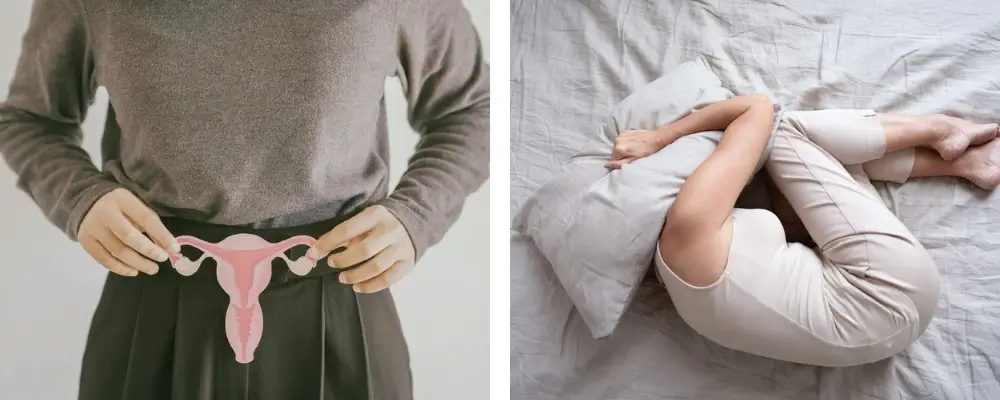
When Should Women Start Hormone Therapy?
HRT can be effective before, during, and after menopause, and timing matters. Evidence shows that women who begin HRT closest to the onset of perimenopause enjoy the most protective benefits, including reduced risk of osteoporosis, improved cardiovascular health markers, and better long-term cognitive performance.
The ideal time to begin HRT is when symptoms first appear and labs confirm measurable hormonal decline. However, women who did not receive treatment earlier can benefit tremendously from mid-menopause and post-menopause HRT as well. It is never “too late” to seek relief and protection.
The Benefits of Hormone Therapy for Perimenopause
During perimenopause, hormone levels are erratic rather than consistently low. That means symptoms are often driven by hormonal volatility rather than deficiency alone. Bioidentical HRT (BHRT) provides gentle rebalancing, smoothing out the highs and lows so women can function normally again.
Women who start HRT during perimenopause commonly report:
- Restoration of predictable cycles
- Dramatically fewer hot flashes and night sweats
- Improved mood stability and mental clarity
- Better sleep quantity and quality
- Healthier libido and increased natural lubrication
- Reduced PMS-like symptoms
- Improved cortisol balance and emotional resilience
Supporting hormone balance at this stage also helps protect bone density, metabolism, and cardiovascular health before major decline occurs. In this case hormone support for women acts as a form of prevention rather than only treatment.
The Benefits of HRT During Menopause
Once estrogen and progesterone reach consistently low levels, many women experience accelerated changes in metabolism, body composition, and physical comfort. HRT during menopause helps soften this transition and protects long-term function across multiple body systems.
The benefits include:
- Relief from hot flashes and night sweats
- Restoration of libido, sensation, arousal, and comfort during intimacy
- Improved mood, emotional balance, and motivation
- Clearer thinking, sharper memory, and better concentration
- Reduction in belly fat and ease of weight management
- Reduced joint pain and stiffness
- Better sleep patterns and lower nighttime awakening
HRT during menopause is not only about symptom relief, but it also protects long-term health during the years when bone mass, cognitive sharpness, and cardiovascular markers undergo the most dramatic changes.
The Benefits of HRT Post Menopause
Many women are surprised to learn that HRT continues to offer profound benefits even years after menopause has passed. Post-menopause is often when health risks associated with low estrogen become most pronounced. Without estrogen, the rate of bone loss accelerates rapidly, collagen decreases, and metabolic and cardiovascular changes become increasingly noticeable.
Post-menopausal HRT has been shown to:
- Reduce the risk of osteoporosis and bone fractures
- Improve metabolic efficiency and maintain lean muscle
- Support memory, focus, and cognitive performance
- Reduce the risk of vaginal atrophy and painful intercourse
- Improve long-term cardiovascular health markers
- Support emotional stability and mental wellness
For many women, restarting or beginning HRT post-menopause restores energy, confidence, and vitality that they thought were gone forever.
HRT and Sexual Wellness in Women
Sexual wellness is an essential component of a woman’s health, not a luxury. Estrogen, progesterone, and testosterone and human growth hormone (HGH) all play roles in lubrication, arousal, orgasm, body confidence, and intimacy satisfaction. When these hormones decline, women may experience not only reduced libido but also discomfort, loss of sensation, difficulty climaxing, or disinterest in intimacy altogether.
HRT helps by:
- Increasing natural lubrication and restoring vaginal elasticity
- Improving arousal, sensation, and orgasm intensity
- Boosting libido and sexual confidence
- Reducing pain during intercourse
- Enhancing emotional intimacy through improved mood and energy
Women often report a renewed connection to their bodies, their partners, and their femininity as hormone balance is restored.
The Benefits of HRT for Bone Health in Women
Estrogen is a key regulator of bone metabolism. When estrogen declines, especially during and after menopause, bones lose density at an accelerated rate. This is why osteoporosis becomes particularly common in women over 50.
HRT improves bone health by:
- Reducing bone resorption
- Increasing bone mineral density
- Supporting calcium absorption and collagen production
- Lowering the risk of fractures
Maintaining skeletal strength is one of the most important — and often overlooked — reasons women benefit from HRT.
The Benefits of HRT for Energy and Stamina
The hormonal decline of midlife affects the body’s cellular energy systems making women feel tired, “slowed down,” or depleted. With HRT, many women report a renewed ability to focus, work, exercise, and enjoy a full daily schedule without exhaustion.
HRT improves stamina by:
- Supporting metabolism and mitochondrial efficiency
- Promoting deeper, more restorative sleep
- Reducing inflammation and joint discomfort
- Helping stabilize blood sugar and cortisol levels
The result is not artificial stimulation, but a return to natural vibrancy — the way a woman is meant to feel.
Benefits of HRT Before, During & After Menopause
| Hormone Therapy | Pre-Menopause / Perimenopause | During Menopause | Post-Menopause |
| Estrogen | • Stabilizes menstrual cycles • Reduces hot flashes & night sweats • Improves sleep, mood & cognition • Supports metabolism & healthy weight | • Eliminates vasomotor symptoms • Restores vaginal lubrication & elasticity • Improves focus and memory • Reduces joint pain & fatigue | • Protects against osteoporosis • Maintains cardiovascular health markers • Preserves skin elasticity & collagen • Supports pelvic and urinary health |
| Progesterone | • Reduces PMS-like symptoms • Supports deep restorative sleep • Calms anxiety and irritability | • Improves night-time rest and REM sleep • Reduces tension & mood swings • Enhances emotional resilience | • Promotes high-quality sleep long term • Supports nervous system balance • Helps protect cognitive and emotional health |
| Testosterone | • Improves libido & arousal • Supports motivation and drive • Supports muscle tone & strength | • Restores sexual desire, sensitivity & orgasm response • Improves stamina & exercise performance • Enhances self-confidence & mood | • Maintains lean muscle & metabolism • Supports bone density • Enhances libido, energy, and overall vitality |

Other Tips for Optimal Health Before, During and After Menopause
HRT is one of the most powerful tools for protecting health during the menopausal transition, but lifestyle also plays a role. Women benefit most when nutrition, sleep, stress management, movement, and hormone therapy work together. This includes adequate protein intake, strength training to protect muscle and bone, regular medical screening, and prioritizing mental well-being and sexual health.
Women today need not look at menopause as an ending, instead it can be the beginning of a new phase of life that can be powerful, confident, active, and emotionally rich with the right medical support.
We Take a Different Approach to Menopause Treatments and HRT for Women
At the Medzone Clinics nationwide, we understand that every woman’s hormone story is personal. You are not handed a “standard” prescription and sent on your way. Your customized treatment plan begins with listening to your symptoms, your concerns, and your goals. We combine comprehensive laboratory testing with meaningful conversation and a truly individualized medical plan designed for your lifestyle, your future health, and your priorities.
Instead of masking symptoms or pushing women to “tough it out,” we help restore balance, energy, sexual vitality, and emotional resilience so you can feel like yourself again, not only for now, but also for the long term. If you are ready to stop struggling and start thriving through menopause and the years beyond it, Medzone is here to walk with you every step of the way.
Now that you know a lot more about how HRT can help you before, during and after menopause, why not contact us and get started today?
Frequently Asked Questions About Hormone Therapy and Menopause
- How do I know if I’m in perimenopause or just dealing with stress or aging?
Symptoms like irregular cycles, sleep changes, hot flashes, declining libido, mood instability, and weight gain are often the earliest signs of perimenopause — long before periods stop. Stress can mimic some of these effects, but bloodwork and clinical evaluation can determine whether hormone decline is the true cause. - Is it better to start HRT during perimenopause or wait until menopause?
Many women experience the greatest long-term benefits when HRT begins as soon as symptoms appear and labs show a measurable decline in estrogen or progesterone. Early intervention protects bone, metabolism, cognitive health and sexual wellness before significant deterioration occurs — rather than reacting afterward. - Can HRT still help if I’m already post-menopausal?
Yes. HRT is extremely beneficial after menopause for maintaining bone density, metabolic balance, cognitive function, vaginal health and long-term cardiovascular wellness. It is never “too late” to restore balance and improve quality of life. - Isn’t menopause something women are supposed to just “power through”?
That belief is outdated. HRT is not a cosmetic treatment — it supports major body systems including brain function, bone metabolism, heart health, sexual wellness and mental well-being. Menopause is natural, but suffering through it is not necessary. - Are bioidentical hormones safer than synthetic hormones?
Bioidentical hormones match the molecular structure of the hormones naturally produced by a woman’s body. Modern studies suggest they are typically very well tolerated and offer advantages in symptom relief, bone density maintenance and sexual wellness when prescribed and monitored properly. - Do I need to be on HRT forever?
Treatment length varies. Some women use HRT only through the transition period, while others remain on a customized maintenance dose long term to protect bone density, brain health and cardiovascular function. Treatment is always personalized — never one-size-fits-all. - Will HRT make me gain weight?
When balanced correctly, HRT actually supports metabolic health and weight management by improving insulin response, reducing abdominal fat accumulation, and supporting lean muscle retention. Many women find losing weight becomes easier once hormone balance is restored. - Does HRT improve sexual wellness for women?
Yes. Estrogen restores comfort and lubrication, progesterone supports mood and sleep, and testosterone enhances libido, energy and orgasmic response. When all three hormones are balanced together, women commonly experience renewed confidence, sensuality and emotional connection. - Do hormones improve mood and cognitive clarity?
Declining estrogen and progesterone can interfere with neurotransmitter regulation, sleep quality and cortisol levels. HRT helps improve memory, focus, emotional stability and stress resilience by restoring hormonal signaling in the brain. - What side effects should I expect with HRT?
Most women tolerate HRT very well when it is custom dosed based on labs and monitored regularly. Any side effects that do occur are usually mild and temporary during dose-adjustment. The right medical oversight is what ensures both safety and optimal results.